

Sophie Swords | July 8, 2025
Posted in: Blog, Investment Management, Technology
Debt Management: 5 Tips for Monitoring Covenants and Ensuring Compliance
Effective debt management in commercial real estate is crucial for maintaining financial stability and meeting loan obligations. An essential component of this process is ensuring compliance with lender requirements, including debt covenants and key deadlines, to avoid the risk of penalties, defaults or even foreclosure. However, tracking these obligations can become challenging as debt portfolios grow, which is why a structured approach to covenant monitoring is fundamental.
Leveraging an advanced debt management software solution can drive enhanced efficiency in monitoring covenants and improve reporting accuracy, reducing compliance risks. Here are the best practices for staying on top of debt obligations in commercial real estate.
1. Automate Covenant Tracking and Alerts
The cornerstone of effective debt management is the consistent monitoring of loan covenants. This ensures timely compliance and the alignment of the debt with the underlying collateral. Manual tracking methods are prone to errors and inefficiencies, not to mention the extensive time and effort that goes into constantly monitoring complex debt structures in disconnected spreadsheets.
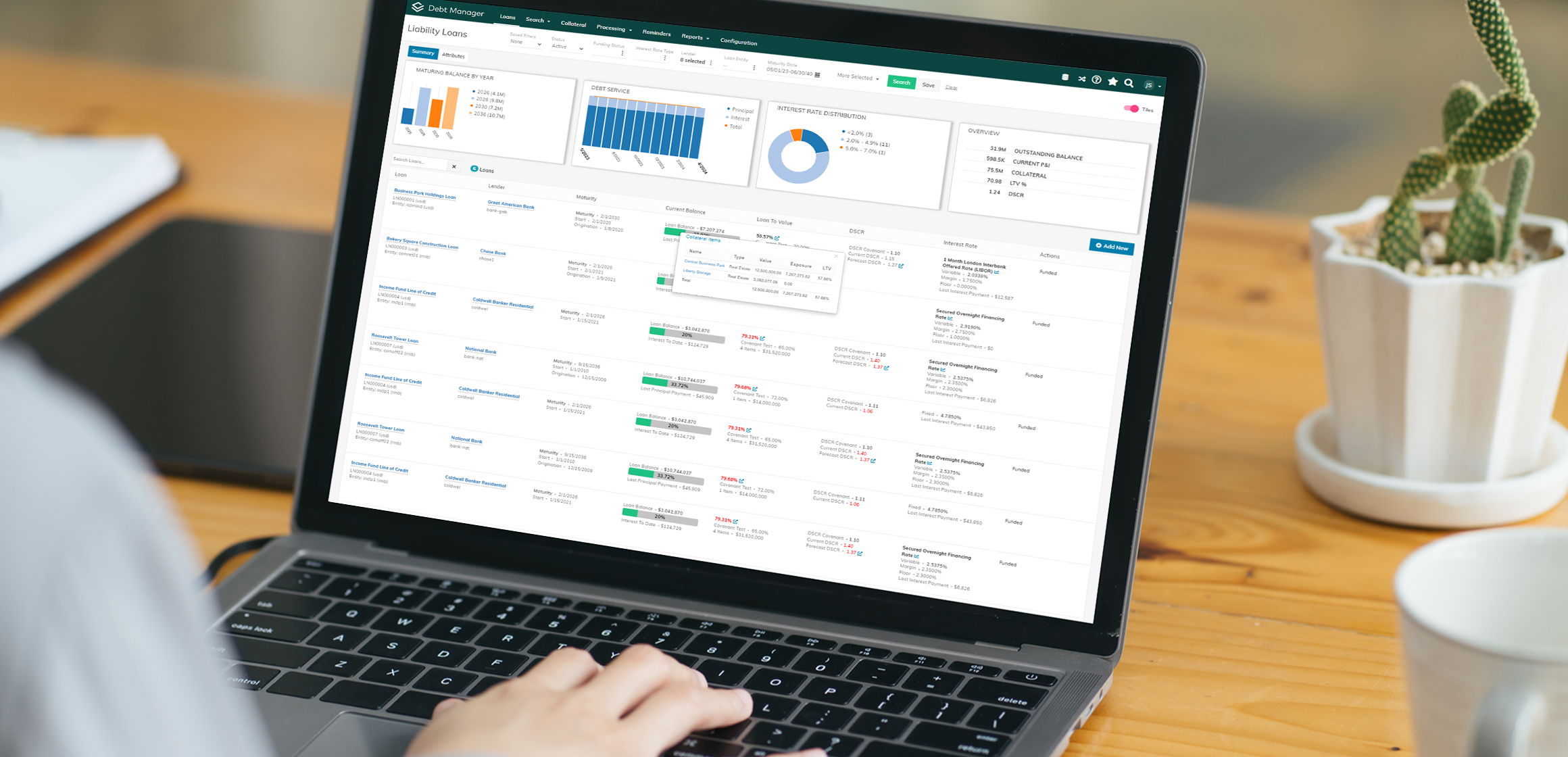
A debt management software solution, such as Yardi’s Debt Manager, simplifies covenant tracking, providing real-time visibility into financial performance. Automated alerts and notifications ensure that stakeholders receive timely updates when a covenant threshold is approaching or has been breached, allowing for timely actions. Furthermore, the covenant dashboard in Debt Manager ensures that users can review and act on time on recurring tasks to stay on top of covenants and other loan collateral.
2. Centralise Data for Greater Transparency
Maintaining all loan agreements, financial data and compliance records in a centralised system reduces the risk of missing critical lender requirements. A comprehensive debt portfolio software can offer integrated data management, consolidating information from multiple loans, lenders and properties into a single platform. This approach not only enhances visibility but also improves collaboration among finance, asset management and compliance teams.
Software like Yardi’s Debt Manager allows borrowers to store and manage all their loans in one platform, while also integrating with Yardi Voyager to easily track debt against real estate collateral. The integration ensures that any debt-related operations are performed seamlessly and go from one system to another without the risk of omission or error, providing complete transparency from investor to asset.
3. Streamline and Automate Reporting
Accurate and timely reporting is equally essential for adhering to lenders’ compliance standards. Debt management software that connects with the collateral allows better visibility into key metrics, ensuring that debt-service coverage ratio, loan-to-value and cashflow statements are automatically calculated and consistently updated. With easy access to information about the property collateral, you can identify risk and reduce the time and effort needed to compile compliance documentation.
4. Improve Communication with Lenders and Stakeholders
Transparent and proactive communication is vital for maintaining strong and healthy long-term relationships with lenders. By using purpose-built loan management software, like Yardi Debt Manager, borrowers can share compliance reports, loan performance summaries and covenant updates with lenders at any given time, from a centralised database. This proactive approach fosters trust and mitigates risks arising from miscommunication or inaccurate data.
5. Ensure Compliance and Manage Risks
Ensuring compliance and mitigating debt risks is critical for commercial real estate firms to protect their investments, maintain financial stability and avoid legal and financial penalties.
With debt management software, like Debt Manager, users can leverage asset-level budget data captured in Yardi Voyager for visibility into future potential risk. In addition, borrowers can also assign tasks through a collaborative activity feed, ensuring that no crucial activities fall through the cracks and all necessary operations are done on time. By integrating compliance and risk management into the overall debt monitoring process, businesses can reduce regulatory risks and avoid costly penalties.
Streamline Debt Portfolios with Purpose-Built Technology
Investing in the right technology is essential for maintaining compliance, tracking covenants and optimising the financial performance of your debt portfolios.
A comprehensive debt solution that’s purpose-built for real estate, such as Yardi Debt Manager, automates key processes while centralising loan data and improving communications with lenders. By reducing manual effort and ensuring accuracy, these platforms empower real estate firms to maintain long-term financial health and stability.

Recent Posts
Similar Articles

Yardi x AREF: Exploring the Role of Data and Technology in Investment Decisions
Yardi partners with AREF on a new report, exploring how data and technology are influencing investment decision-making in real estate – take the survey now!

Effective Capital Raising Strategies for Real Estate Investment in 2025
Understanding real estate capital raising in today’s environment is key to unlocking long-term growth opportunities. We explore key strategies for successfully raising capital for real estate investments in 2025.
Top 6 Features Real Estate Investment Accounting Software Should Have
To maximise the benefits of investment accounting software, we explore the six essential features that real estate professionals should look for.

Simplify KYC/AML Compliance with Investment Manager
See how Yardi Investment Manager expands its functionality to capture, manage, and store all required investor data within the same platform.